before the next alert — let's get ready together
Fina Funkliving near whistler means living in one of the most beautiful places on earth. it also means wildfire season, evacuation alerts, and the kind of emergencies that can move fast
if you don't live in bc or near whistler, you might not know that we have been touched by wildfires raging right within our valley town, on one of our most iconic hills. seeing out-of-control flames driving to get our groceries has been surreal, and one that left me feeling very anxious and nervous, as well as feeling a little grief, for my community, and our amazing planet
but I quickly realised that being organized and prepared in situations like this truly helps keep you calm, assured and ready for any emergency, and we are here to share
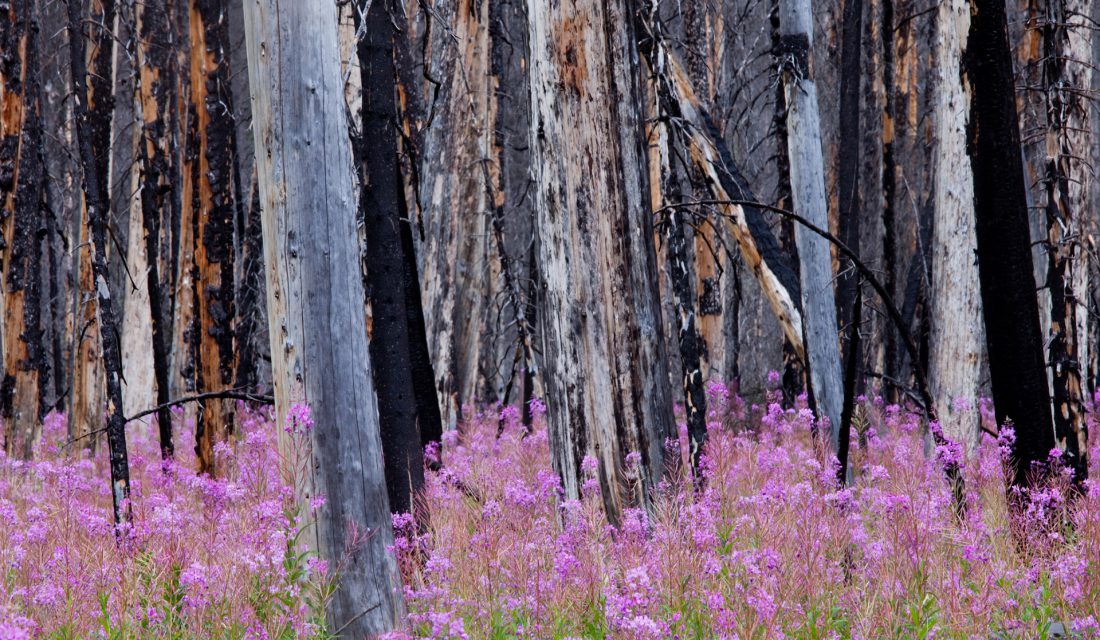 we made this guide for our community — families, couples, pet owners — who want to feel genuinely prepared without the overwhelm. it's practical, it's printable, and it covers everything from your 5-minute grab-and-go bag to how to pack two cars efficiently when minutes matter.
we're no experts but we did put a lot of effort into finding out what we need
being prepared in any emergency requires four key sections:
- section 1 — grab-and-go (5 minutes): documents, cash, electronics, clothing, food, water, first aid and pet supplies — everything you need to be out the door fast
- section 2 — vehicle supplies & 15–30 minute load: what to keep in each car year-round, and what to grab if you have a little more time
- section 3 — packing your two cars: a simple split system so your family isn't sorting supplies under pressure
- section 4 — labelled bins by the door: a year-round storage system so you're always ready, plus a printable emergency contacts sheet
the rule of thumb we live by
if you can't grab it in under five minutes without thinking, it should already be packed and waiting by the door.
that's the whole philosophy. preparation isn't about fear — it's about freedom. when your family knows the plan and the bags are ready, you can focus on what matters: getting everyone out safely

section 1 — grab-and-go: out the door in 5 minutes
five minutes sounds like nothing. but if your bags are packed and waiting, five minutes is actually plenty.
your grab-and-go bag is built around one idea: everything you truly need in the first 24-48 hours of an emergency should already be together, by the door, ready to load. not scattered across three rooms and two closets.
here's what goes in:
documents — passports, health cards, driver's licences, insurance policies, vehicle registration and a USB drive with digital backups. keep these in a single waterproof folder. know exactly where it is right now.
cash — $100-$300 in small bills. atms go down. card readers fail. cash works when nothing else does.
electronics — charged phones, charging cables, wall chargers and at least one fully charged power bank per adult. if it's practical, grab your laptop too.
clothing — 3-5 days per person. think layers: underwear, socks, a warm layer, a rain jacket, comfortable walking shoes and a hat. bc weather doesn't care what season it is.
food and water — a minimum of 8-10 litres of water per person to start, plus high-energy shelf-stable snacks: granola bars, trail mix, nut butter, crackers, dried fruit. pull-tab tins if you have them.
first aid — a proper kit, not just a few bandages. flashlights, extra batteries, a multi-tool, duct tape, waterproof matches and an emergency blanket per person.
pets — one complete kit per pet, in a clearly labelled bin: 5-7 days of food and water, bowls, medications, leash or carrier, vaccination records and something familiar like a favourite toy or blanket. pets feel the stress too.

practical family approach:
- one bag per adult with their personal documents, clothing, medications and electronics
- one shared household bin for food, water, first aid and pet supplies
- kids get a small backpack with their comfort items, a snack and a change of clothes — makes them feel part of the plan and keeps them calm
the goal isn't perfection. it's having enough to be safe, comfortable and functional for the first couple of days while you figure out the rest.
make sure everyone in the household knows where their grab-and-go bag is, and has practised what to do in an evacuation order. a 'fire drill' walkthrough on a calm sunday afternoon is worth more than the most perfectly packed bag. 🌿
section 2 — your vehicles are your lifeline
your car is the most important piece of emergency equipment you own. most people treat it as transport. in an evacuation, it's your shelter, your storage unit and your escape route — all at once.
keep all your vehicles stocked year-round, not just in fire season. emergencies don't wait for you to be ready.
for each vehicle, keep these in the boot or back seat at all times:
- fuel tank at least half full — full whenever possible. in a mass evacuation, gas stations run dry fast
- phone charger (12V or USB-C)
- paper road map of your region — cell service fails in emergencies
- jumper cables and a basic tool kit
- tire inflator or repair kit
- warm blanket and a change of clothes
- flashlight with fresh batteries
- bottled water and shelf-stable snacks (see below)
- reflective safety vest and emergency warning triangles
- a tow strap
shelf-stable snacks for everyone (meat eaters and plant-based):
- granola bars and energy bars (larabar, cliff, kind)
- trail mix with nuts, seeds and dried fruit
- nut butters — peanut, almond, sunflower seed (for nut allergies)
- crackers — rice crackers, ryvita, triscuits
- dried fruit — mango, apricots, dates, raisins
- dark chocolate
- instant oatmeal packets
- roasted chickpeas and edamame snacks
- popcorn
- dried seaweed snacks
practical tips:
-
- aim for high protein and high fat items — they keep you fuller longer under stress
- pull-tab tins mean no can opener needed
- individual portion sizes are easier to manage and ration
- rotate your stock annually so nothing expires
if you don't have the next list ready-to-go in your vehicles, and still have 15–30 minutes and it is safe to do so, these are worth grabbing before you go — but only if authorities haven't ordered an immediate evacuation.
life always before possessions:
- prescription medications (a full supply if possible)
- external hard drives and backup drives
- irreplaceable keepsakes — family photos, heirlooms
- sleeping bags and pillows
- a cooler with refrigerated or frozen food
- camping stove and extra fuel
- children's comfort items — a favourite toy, blanket or book goes a long way
- work and school supplies if you may be away for days
one rule above all: if authorities say leave now, you leave now. the rest is just stuff.
section 3 — two cars, one clear plan
the single biggest mistake families make in an evacuation is trying to figure out who takes what while the alert is going off. decide this now, before you ever need it, and write it down somewhere everyone can see.
the split is simple:
car 1 is for people. car 2 is for gear and pets.
car 1 — people focused:
- all family members
- documents folder
- electronics and chargers
- clothing bags
- food and snacks
- water supply
- first aid kit
- daily essentials and medications
car 2 — gear and pets:
- pets in carriers or secured with harnesses
- all pet supplies — food, water, bowls, medications, records
- extra water
- sleeping bags and blankets
- cooler with food
- emergency gear
- additional clothing and supplies
if you only have one vehicle, prioritise people and pets first, then documents, then medications, then everything else in order of importance. keep a written priority list in the glove box.
talk through this plan with everyone in your household — including older kids. when people know their role, panic has less room to take hold.
section 4 — the bins by the door
the most prepared families don't scramble when an alert comes. they walk to the garage, grab their labelled bins, load the car and go. that's the goal.
set up these five bins now and keep them stocked year-round. review them every autumn before fire season ends and every spring before it begins.
📋 documents bin — passports, IDs, insurance documents, health cards, vehicle registration, USB drive with digital backups, printed emergency contact list
🩹 emergency kit bin — first aid kit, flashlights and batteries, multi-tool, duct tape, waterproof matches or lighter, emergency blankets (one per person), whistle
🐾 pet kit bin (one per pet) — 5–7 days of food and water, bowls, medications, leash and carrier, vaccination records, waste bags, a favourite toy or blanket
👕 clothing bin — 3–5 days of clothing per person, rain jackets, warm layers, comfortable shoes, hats
🥫 food and water bin — shelf-stable snacks, granola bars, peanut butter, crackers, trail mix, at least 4 litres of water per person
🔌 electronics pouch — all chargers and cables, power banks (keep them charged), spare batteries
label each bin clearly. keep them near the exit. tell everyone in your household where they are and what's in them. that five-minute conversation now could save you twenty minutes of chaos later.
and one last thing — fill in your emergency contacts sheet and print it. tape one copy inside the documents bin and one on the fridge. if your phone dies or gets left behind, that piece of paper matters more than you'd think.
get our 'unofficial' free quick-reference guide
this is just what our family does, and thought we'd share it with our friends 📥 [free emergency readiness guide]
stay safe, stay ready, and as always — stay funky 🏔️ and together, together we can accomplish anything.
made with love near whistler, bc
p.s. — fire is not the enemy. it never was.
the lil'wat and squamish nations, whose territories we live and play on, understood something that took western land management a very long time to accept: fire is not a disaster. it is a process. for thousands of years, indigenous peoples across this region used low-intensity, carefully timed burns to manage the land — clearing undergrowth, encouraging new growth, keeping forests open and healthy. it was stewardship, not destruction.
those burns kept fuel loads low. they prevented the kind of catastrophic, stand-replacing megafires we see today — the ones that burn so hot they sterilise the soil and leave nothing behind. a landscape that burns regularly and gently is a landscape that never accumulates enough fuel to burn catastrophically.
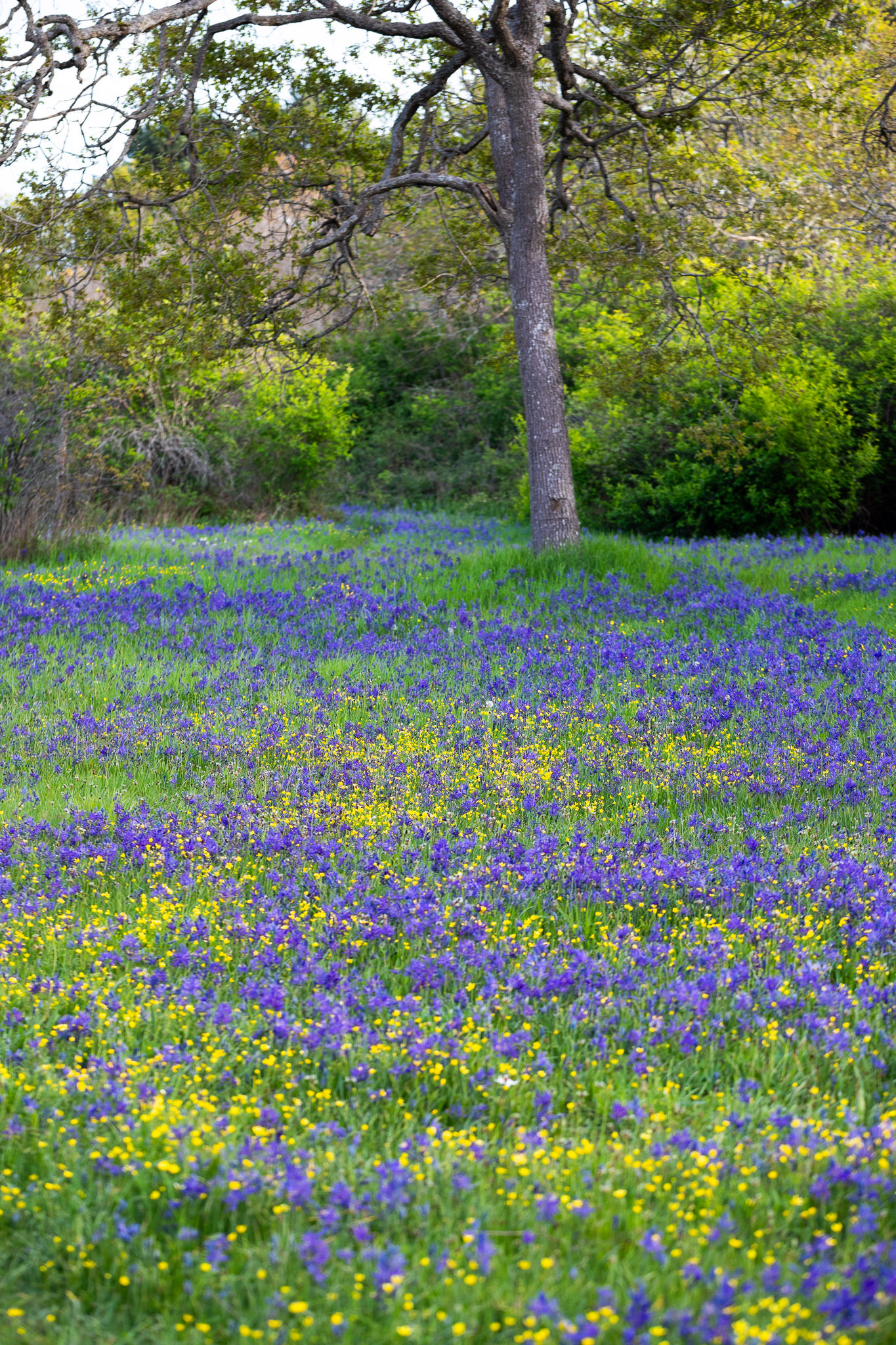
and the land knows this. after a fire moves through, the forest doesn't mourn — it responds. camas bulbs (camassia quamash), a culturally significant food source for first nations peoples across the pacific northwest, are built for exactly this. their bulbs sit safely underground while fire clears the surface, and within a single season they push back up through the ash, often blooming more abundantly than before. fire removes the competition. it opens the canopy. it lets the light in.
the wildflower meadows we hike through above whistler — the ones that take your breath away every july — exist because of fire. without periodic disturbance, the forest moves in. conifers are relentless colonisers of open ground. it is fire, and historically the deliberate burns of indigenous land stewards, that holds the meadows open and keeps them meadows.
none of this makes an evacuation alert less stressful. none of it means we shouldn't prepare, or that the fires burning hotter and faster due to a century of fire suppression and a warming climate aren't genuinely dangerous. they are. but it does mean that the landscape around whistler is not fragile. it is resilient in ways that go far deeper than we can see. the forest has been here through thousands of fire cycles. it will be here through this one too.
prepare well. leave when you're told to leave. and when you come back, watch what grows.